
How AI Ended Up in Crypto Due Diligence
If you look back, the idea of AI-assisted due diligence for crypto startups would have sounded almost sci‑fi in the 2017 ICO rush. Back then investors skimmed whitepapers, glanced at GitHub, checked Telegram hype and wrote tickets in days, sometimes hours. KYC and AML were an afterthought, and most checks were done manually by overworked analysts with basic blockchain explorers. Things shifted after the 2018–2020 regulatory squeeze, when watchdogs in the US, EU and Asia started treating tokens much closer to traditional securities, and compliance failures suddenly meant real fines and criminal charges. At the same time data volumes exploded: on‑chain activity, DeFi protocols, cross‑chain bridges, NFT markets, private rounds, SAFTs. Human teams simply couldn’t parse this mess fast enough, and this gap opened the door for early AI-driven tools that could crawl blockchains, scrape public data and flag obvious red flags.
By 2023, the first generation of AI due diligence software for crypto startups was being quietly adopted by funds and launchpads that got burned by rug pulls and hacks. These tools weren’t magic; they automated boring but critical tasks: verifying smart contract deployments, mapping token flows, checking sanctions and PEP lists, and spotting copy‑paste contracts. The real turning point came with large language models capable of reading legal documents, governance proposals and code comments almost like a junior analyst. Suddenly it became realistic to run a preliminary AI review of a project in hours, not weeks. In 2025, we’ve reached a point where serious investors expect some kind of AI layer in their process, and many crypto founders see AI‑ready transparency as a selling point, not a burden. The new norm is: if your startup can’t pass machine‑assisted scrutiny, people wonder what you’re hiding.
Basic Principles of AI-Assisted Due Diligence
Let’s break down what “AI-assisted due diligence” actually means in practice, without the buzzwords. At its core, the idea is simple: you still have human judgment at the center, but it’s powered by models that can quickly gather, clean and interpret huge piles of heterogeneous data. A modern crypto startup investor due diligence platform ingests on‑chain transactions, off‑chain corporate records, social media traces, code repositories, legal docs and even chat logs from public channels. The AI layer does pattern recognition: it finds links between wallets, flags inconsistencies in tokenomics, estimates concentration risk, and highlights anything that statistically correlates with fraud, insider dumping, or future regulatory trouble. Instead of reading hundreds of pages, an analyst gets a structured risk map with explanations and prioritized questions to ask the founders.
A second key principle is verifiability. Black‑box scores are dangerous; regulators and LPs want to know why a particular startup got labeled “high risk”. That’s why the better automated risk assessment tools for crypto companies focus on explainable outputs: they show which indicators triggered a warning, which comparisons to historical fraud cases were made, and which datasets were used. For example, if a tool claims that treasury wallets are linked to a mixing service, it must provide the transaction trail and heuristic used to reach that conclusion. Another principle is continuous monitoring. Due diligence isn’t a one‑off PDF anymore; with 24/7 markets and mutable smart contracts, risk profiles change weekly. AI systems can watch for governance changes, new contract deployments or unusual token flows and ping investors when something material shifts, turning static checks into a living risk radar.
Compliance, KYC and AML in the AI Era
One of the biggest value adds of AI in this space is turning regulatory chaos into something navigable for early‑stage teams. Modern blockchain startup compliance and KYC solutions don’t just collect passports and selfies; they cross‑reference watchlists, on‑chain identities and behavioral patterns to estimate whether users or counterparties are likely to cause trouble. For founders, this means they can onboard users globally while automatically adapting flows to local rules, and investors get assurance that the project’s compliance architecture is not a ticking time bomb. The AI doesn’t replace legal counsel, but it does a lot of the grunt work: mapping where users come from, how funds flow, and which jurisdictions are implicitly touched by the product design. That context is crucial when a regulator later asks, “What exactly were you doing with these users?”
On the AML side, the old model of periodic, sample‑based checks is nearly useless in crypto, where funds can jump across chains and protocols in minutes. That’s where AI-powered AML tools for cryptocurrency businesses change the game. They analyze transaction graphs in real time, cluster wallets using behavioral fingerprints, and correlate them with known illicit services, darknet markets, or sanctioned entities. When an investor runs due diligence, the same models can be applied retrospectively to a startup’s historical flows: How clean is the treasury? Are there hidden ties to mixing services or exploit wallets? Has the project been a major liquidity source for sketchy markets? This level of forensic detail used to require a specialist team; today, AI makes it feasible at seed and Series A, before the money moves, which is exactly when it matters most.
Practical Examples of AI in Crypto Startup Due Diligence
To make this less abstract, imagine a VC considering an investment in a new cross‑chain DeFi protocol. The first layer of checks is financial and technical: the AI scans smart contracts for known vulnerability patterns, compares the codebase to existing protocols to detect clones, and simulates various market scenarios on the proposed tokenomics. In parallel, the system scrapes founders’ histories: past projects, LinkedIn trails, GitHub commits, even older forum posts to see if the team has a pattern of abandoned ventures or questionable promotions. An internal AI dashboard might then summarize: “High technical similarity to Protocol X, which suffered an exploit in 2023; core developers overlap with Project Y that rugged after a token unlock,” giving human partners a clear set of follow‑up questions before any term sheet discussion.
In another scenario, a launchpad wants to screen dozens of early‑stage teams per month. Instead of assembling a huge analyst floor, it integrates several automated risk assessment tools for crypto companies into its pipeline. Founders upload pitch decks, tokenomics spreadsheets and legal documents; AI parses everything, spots inconsistent numbers, detects reused or AI‑generated whitepaper text, checks company registries for shell entities, and matches user acquisition claims with visible on‑chain activity. Projects with clean, coherent data and low anomaly scores move quickly to human interviews, while those with glaring red flags either get rejected or asked for detailed clarifications. This doesn’t eliminate bad actors, but it raises their operating cost significantly and reduces the number of obviously flawed projects that ever reach retail investors.
What These Systems Can and Cannot Decide For You
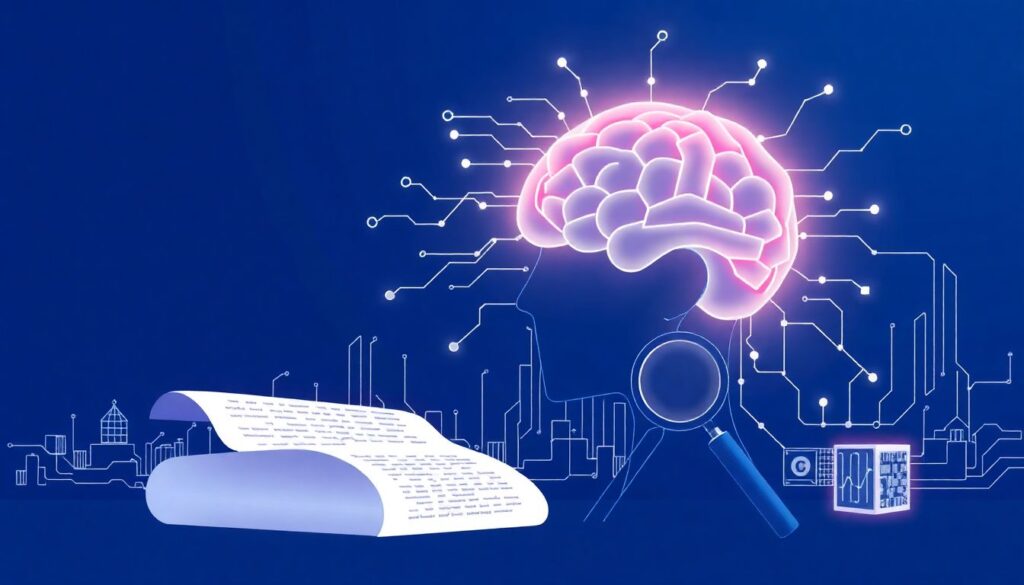
Despite all the progress, it’s important to keep perspective: AI tools are amplifiers of human due diligence, not replacements. The best AI due diligence software for crypto startups acts like an extremely fast, slightly obsessive analyst that never gets tired of reading footnotes or browsing block explorers at 3 a.m. It helps you avoid blind spots, surface non‑obvious connections, and test founder claims against reality. But crucial questions—does this product solve a real problem, is the market timing right, do you trust this team to execute under pressure—still require uniquely human judgment. Cultural fit, integrity, and resilience can be informed by data, yet they can’t be reduced to a probability score without losing something essential.
This is why alignment between investors, compliance teams and founders matters as much as algorithms. If everyone treats AI output as a final verdict, they start gaming scores instead of building robust businesses. Good governance means defining in advance which decisions can be automated, which require dual control, and where full committee review is mandatory. For example, an AI system might automatically block cooperation with wallets strongly linked to sanctions violations, while “medium‑risk” links trigger an enhanced manual review. The more clearly these boundaries are set, the less room there is for both blind algorithmic obedience and arbitrary human exceptions that later become legal liabilities.
Frequent Misconceptions and Traps
One widespread misconception is that dumping an AI layer on top of messy data magically produces truth. In reality, AI models are only as good as the data pipelines, labeling strategies and feedback loops behind them. If a firm trains its models mostly on high‑profile scams and neglects subtle governance failures, it will over‑detect blatant fraud and under‑detect slow‑burn disasters like treasury mismanagement or unsustainable yield schemes. Another myth is that AI will “solve regulation” for you. Tools can highlight likely classification issues—for instance, whether your token behaves economically like a security—but they can’t replace legal opinions or negotiations with regulators. Overreliance on colorful dashboards without context can give founders and investors a dangerous sense of safety that regulators absolutely do not share.
A second trap involves privacy and data protection. Because AI systems are hungry for data—especially personal and transactional data—it’s easy to slide into over‑collection “just in case”. But both GDPR‑style rules and new crypto‑specific regulations in 2024–2025 increasingly punish unjustified data hoarding, particularly when biometric KYC data is involved. Teams need explicit policies for what gets logged, how long it’s stored, and which third‑party providers can access it. Ironically, the same AI that powers due diligence can help enforce these policies by monitoring who queries what and flagging suspicious patterns of internal access. Still, many teams treat security as an afterthought, only to discover later that their shiny AI stack has become a single, attractive target containing sensitive investor and user information.
How Investors and Founders Misread AI Signals
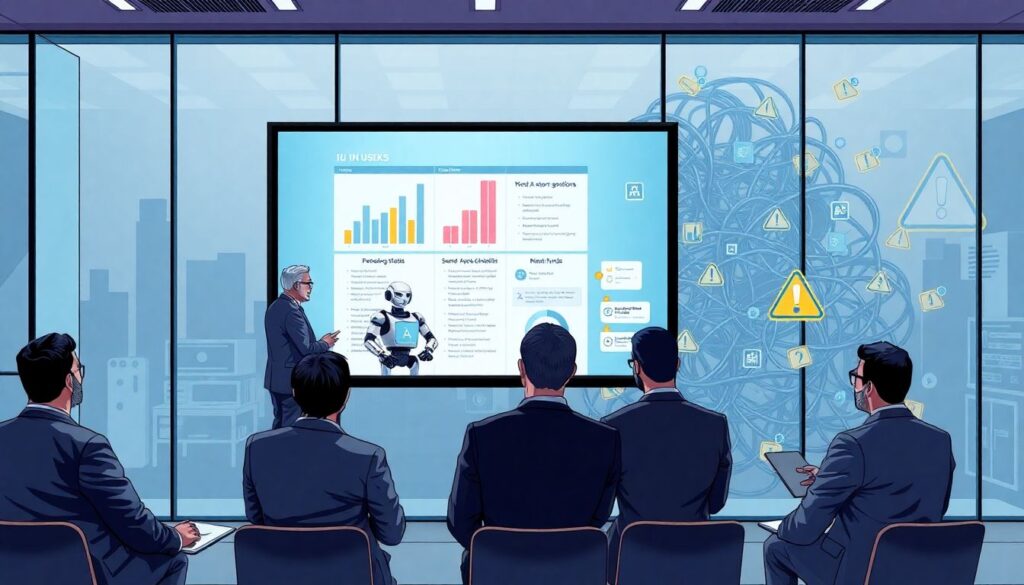
Another common misunderstanding is the belief that high funding rounds at large funds automatically mean high‑quality AI risk checks were done. In reality, not every investor has the same level of tooling or discipline. Some rely on glossy vendor demos instead of actually integrating a crypto startup investor due diligence platform into their internal workflows. As a founder, you might think “big fund X invested, so we must be bulletproof,” while in fact you’re just early in their experimentation curve. Conversely, some excellent projects get unfairly punished by shallow AI scoring that doesn’t understand niche markets or novel financial constructions. If the model has never seen something like your idea before, it might err on the side of caution and label you “high risk” for being statistically weird, not actually dangerous.
Founders also sometimes treat AI screening as a bureaucratic checkbox instead of a strategic mirror. When a due diligence report flags, say, concentrated insider allocations or opaque governance, many teams react defensively, as if they were accused of malicious intent. A more productive approach is to treat these findings as free consulting: if machines and analysts repeatedly stumble over your vesting schedule or DAO structure, chances are public markets and regulators will, too. Adjusting token distributions, documentation and governance early doesn’t just help you pass checks; it makes your project more resilient under stress. The healthiest teams in 2025 are the ones that invite AI‑assisted critique, iterate based on it, and then communicate those improvements proactively to both investors and communities.
Where This Is Heading by 2030
Looking ahead from 2025, AI-assisted due diligence is likely to move from “nice‑to‑have edge” to “baseline infrastructure” in the crypto ecosystem. Over the next five years we can expect deeper integration with on‑chain identity standards, so that users, founders and entities can selectively prove compliance attributes—like passing KYC or avoiding sanctioned addresses—without exposing all their underlying data. As these primitives mature, AI systems will spend less time reconstructing messy histories and more time modeling future scenarios: stress‑testing tokenomics under different regulatory shocks, simulating liquidity crises across interoperable DeFi protocols, and forecasting whether governance structures can survive activist attacks. For investors this will feel like having a risk flight simulator for every deal, rather than a static stack of historical PDFs.
We’re also likely to see regulation itself become more machine‑readable. Several jurisdictions are experimenting with publishing rules and guidance in structured formats that can be digested directly by compliance engines. When that matures, AI systems will be able to automatically map a startup’s architecture to specific obligations and generate both technical and legal change suggestions. At the same time, the bar for model governance will rise: regulators will want to know how your automated systems make decisions, how bias is monitored, and how appeals work when an AI flags a project as suspicious. In other words, the next wave isn’t just better algorithms—it’s a full ecosystem where due diligence, product design, law and code converge. Crypto teams that learn to collaborate with AI as a transparent, auditable partner rather than a black‑box oracle will be the ones that still look credible when the 2030 bull and bear cycles have both done their worst.
Комментарии
У «Кирпичной Горы» как раз неплохой выбор тёплого керамического кирпича и газобетона, можно взять и для частного строительства, и под большие объёмы, плюс помогают подобрать марку под ваш проект, чтобы не переплачивать за избыточную прочность. На сайте https://n-novg.kirgora.ru есть основные позиции и контакты, лучше всего позвонить или написать им с параметрами дома — подскажут по плотности, марке и варианту кладки, и сразу посчитают доставку по области.