

Blockchain analytics sounds intimidating, but for a researcher it’s basically: “spreadsheets, but supercharged with transparent ledgers.” Over the last three years, the field has quietly gone from niche crypto-forensics to a full‑blown data science playground. Market reports estimate that spending on blockchain analytics tools roughly doubled between 2022 and 2024, passing the billion‑dollar mark in 2024 when you include SaaS subscriptions and custom data feeds. That growth is driven not only by regulators, but also by universities, think tanks and independent scholars.
Why blockchain analytics matter for research today

From 2022 to 2024, public blockchains like Bitcoin and Ethereum processed billions of transactions per year, with Ethereum alone handling around 400–500 million transactions annually. Unlike most financial datasets, this stream is open by design: anyone can inspect transfers, smart‑contract calls and token movements in real time. For researchers, that means you can study market microstructure, DeFi contagion, NFT bubbles or sanction evasion using the same raw data that traders and compliance teams see. The catch: the data is noisy, huge, and pseudonymous, so you need methods, not just curiosity.
Core concepts: addresses, entities and traces
At the lowest level you see addresses, not “people”. One user can control thousands of addresses; a single protocol can interact with millions. Modern analytics tools therefore try to cluster addresses into entities: exchanges, bridges, mixers, DeFi protocols, individual wallets. Since 2022, entity‑level labeling has become much richer, but it’s still probabilistic and sometimes plain wrong. A common mistake for new researchers is to treat those labels as ground truth. Instead, think of them as hypotheses with confidence scores, and always keep a manual sanity‑check step in your workflow.
Step‑by‑step: a basic research workflow
1. Define a narrow question and a time window.
2. Pick chains and assets that really matter for that question.
3. Choose a data source: node, API, or full‑fledged analytics platform.
4. Extract only the fields you need; avoid “collect everything” impulses.
5. Clean and normalize addresses, tokens and time zones.
6. Enrich with labels (entities, geographies, risk flags) if relevant.
7. Run your models or statistical tests.
8. Validate results against alternative sources or case studies.
9. Document every assumption, heuristic and filter.
Data sources: nodes, APIs and SaaS platforms
Running your own full node gives you maximal control, but also maximal hassle: disk space, upgrades, and potential bugs in your indexing logic. Since 2022, more academics have moved to API‑based access because it offloads the infrastructure work and lets them focus on questions. Cloud‑hosted indexers now expose decoded logs, token balances and NFT metadata via simple endpoints. The trade‑off is reliance on a vendor’s schema and uptime. For exploratory projects that don’t push the limits of scale or latency, APIs are usually the sweet spot between flexibility, cost and time.
Tools landscape and how to compare them
You will sooner or later do your own informal blockchain analytics tools comparison, even if you don’t call it that. Some systems focus on SQL access to raw and decoded events; others lean into dashboards, case management and risk scoring. For research, flexibility in querying tends to matter more than fancy UI. Check whether you can write arbitrary joins, export large result sets, and reproduce queries over time. Also test how well the tool copes with new protocols: if it lags months behind DeFi or L2 upgrades, your analyses will quietly miss half the action, especially in fast‑moving years like 2023–2024.
Choosing “the best” software for your project
There is no single best blockchain analytics software for research, but there is a best fit for each project. For heavy econometric analysis you might prefer platforms that integrate smoothly with Python, R or Jupyter and offer curated tables like “trades”, “liquidations” or “DEX swaps”. If your focus is crime, you need systems with strong entity labeling and exposure tracing. Between 2022 and 2024, several vendors launched academic licensing, offering read‑only sandboxes with historical data. Before committing, run a small pilot: replicate a published paper and see how much friction you encounter and where the data disagrees.
Pricing, budgets and hidden costs
On‑chain data analytics platforms pricing varies wildly. Some entry‑level plans cost under 100 USD per month but cap your rows or API calls; enterprise and government contracts can run into six or seven figures annually. For cash‑strapped labs this has real consequences: you might design questions to fit a quota instead of scientific relevance. Factor in hidden costs: student onboarding time, data‑cleaning scripts, storage for exports, and backup strategies. Since 2023, more providers started offering “open tiers” for a few chains; mixing those with selective paid access can stretch a limited grant surprisingly far.
Buying datasets and negotiating access
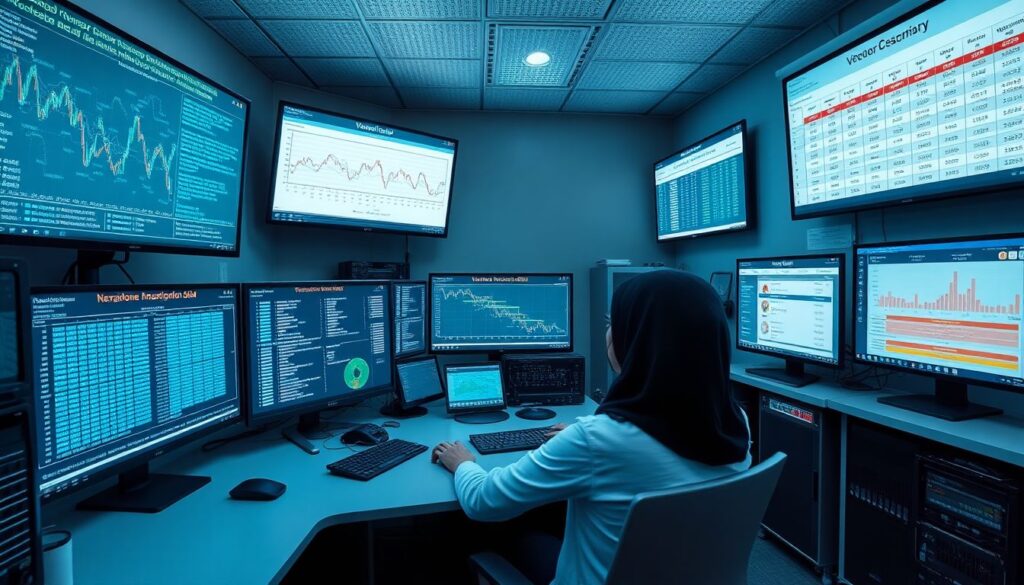
If you need full history, you might wonder whether you can simply buy blockchain transaction data for academic research and store it locally. Vendors do sell snapshots of decoded transactions, labels and risk scores, sometimes going back a decade. Prices depend on coverage, update frequency and licensing terms: can you redistribute derived datasets or only publish aggregated results? For longitudinal work started in 2025, ask explicitly what happens if the company is acquired or shutters its API. A practical tip: consortium deals between several universities often unlock discounts and better contractual guarantees.
Compliance‑oriented tools and why they matter to you
At first glance, blockchain analytics SaaS for crypto compliance and research might sound tailored only to regulators and exchanges. Yet those same systems often contain the richest curated views of sanctions exposure, darknet markets, ransomware wallets and cross‑chain laundering routes. Between 2022 and 2023, reports from firms like Chainalysis showed illicit crypto activity hovering under 1% of total volume, while absolute illicit amounts in dollar terms still reached tens of billions annually. Using compliance‑grade datasets, you can study these patterns rigorously, instead of relying on anecdotes from social media or isolated case studies.
Statistical pitfalls and common rookie mistakes
On‑chain datasets are massive, but that doesn’t magically fix bias. Activity skews toward traders and protocols, not ordinary savers; some chains are dominated by bots. In 2023–2024, several papers over‑stated “user adoption” by counting contract calls or NFT mints as distinct humans. Another trap is survivorship bias in DeFi: insolvent projects quietly vanish from dashboards. Always describe the denominators you use: wallets, addresses, transactions, or dollar volume. Double‑check those against independent metrics like exchange reports or block explorers, and be wary of eye‑catching outliers that appear only after aggressive filtering.
Practical tips for researchers starting in 2025
If you are just jumping in, begin with a single chain and a concrete story: for example, stablecoin flows during a specific 2022 market crash or NFT trading in 2023’s mini‑revival. Reproduce a known result before chasing novel findings; this calibrates your intuition about lags, fees and contract quirks. Learn enough about smart‑contract basics to read function names and event logs. Keep a lab notebook of every heuristic and label source you use. Finally, plan for sustainability: scripts, documentation and data schemas should be clear enough that, in 2027, someone else can replicate your 2025 analysis without sending you desperate emails.