
If you’re trying to make sense of crypto in 2025, you already know the problem: feeds are full, minds are fried, and everyone claims they’ve “called the bottom” twelve times this quarter. A good crypto market brief is your noise filter. It’s a short, structured snapshot that turns endless charts, social chatter and macro headlines into a clear story: what’s happening, what matters, and what to ignore. Let’s walk through how to build one that actually clarifies signal over noise instead of adding to the chaos.
Tools you’ll actually use in 2025
You don’t need 40 dashboards open, but you do need a small stack that covers price, on‑chain data, sentiment and macro. For prices and derivatives, think TradingView plus an options dashboard like Deribit or Lyra. For on‑chain, Nansen, Artemis, DefiLlama or Dune dashboards give you real usage instead of vibes. Add a news and sentiment layer: Farside or Santiment, plus curated Twitter/X lists and a few Substacks. Finally, park everything in one workspace — Notion, Obsidian or even a shared Google Doc — so your crypto market analysis report lives in a single, repeatable template you update, not reinvent each time.
Keep your stack lean: if a tool doesn’t change your decisions within a month, drop it.
Modern crypto market research tools are obsessed with real‑time feeds, but your brief is about distillation, not speed. Turn off most notifications; instead, schedule one or two focused research blocks per day. In those blocks, pull data, not opinions. Start from objective sources (on‑chain volumes, active addresses, perp funding, ETF flows) and only then layer on narratives from podcasts and newsletters. If you do use a best crypto trading signals service, treat it as just one input: log the calls, compare them against your data, and only reference them in the brief when they align with hard numbers, not just flashy screenshots of PnL.
Step-by-step: building the brief

Think of your brief as a one‑page story you could read in five minutes and act on.
Step one: define the time frame. Are you writing a daily, weekly, or monthly snapshot? In 2025, markets move fast, but not every decision is intraday. For each brief, write the time frame at the top: “Weekly outlook, majors + L2s + RWAs.” This keeps you from getting sucked into five‑minute candles when you’re supposed to be thinking in weeks. Then add three anchor questions: What changed? What surprised? What’s likely next? Every section you write should help answer at least one of these.
Now the core workflow. First pass: gather raw data. Pull BTC/ETH structure, top volume alts, perp OI, funding rates, and options skew. Next, add on‑chain context: L2 activity, DEX volumes, stablecoin flows, key protocol metrics for the narratives you care about (AI coins, restaking, RWAs, SocialFi, you name it). Second pass: summarize in plain language, one to two sentences per topic. Example: “ETH: range‑bound, options skew neutral, but L2 gas use up 18% WoW — slow grind higher more likely than breakdown unless macro shocks.” Third pass: tie it to actions or watch levels. Your brief isn’t just “how to analyze crypto market trends” academically; it’s about what you’ll do or avoid if certain levels break or narratives shift.
Keep the structure the same every time: macro backdrop, majors, sectors/themes, individual names, and finally your stance.
When you start adding text, write like you’re explaining the market to a smart friend who’s been offline for a week. For macro, mention only things that hit crypto directly in 2025: ETF flows, real yield trends, US liquidity, Asia trading sessions, key regulatory headlines. For majors, focus on trend (up, down, chop), key levels, positioning and funding. For sectors, spotlight where usage and fees are actually growing — L2 ecosystems, liquid restaking, DeFi money markets, on‑chain RWAs, AI infra. Only then, if it really matters, mention coins. That’s where your crypto investment market insights stop being “Coin X is pumping” and become “restaking blue chips gaining TVL while speculative forks bleed.”
Troubleshooting: cleaning up the noise
If your brief feels bloated or indecisive, the problem is usually too many opinions and not enough filters.
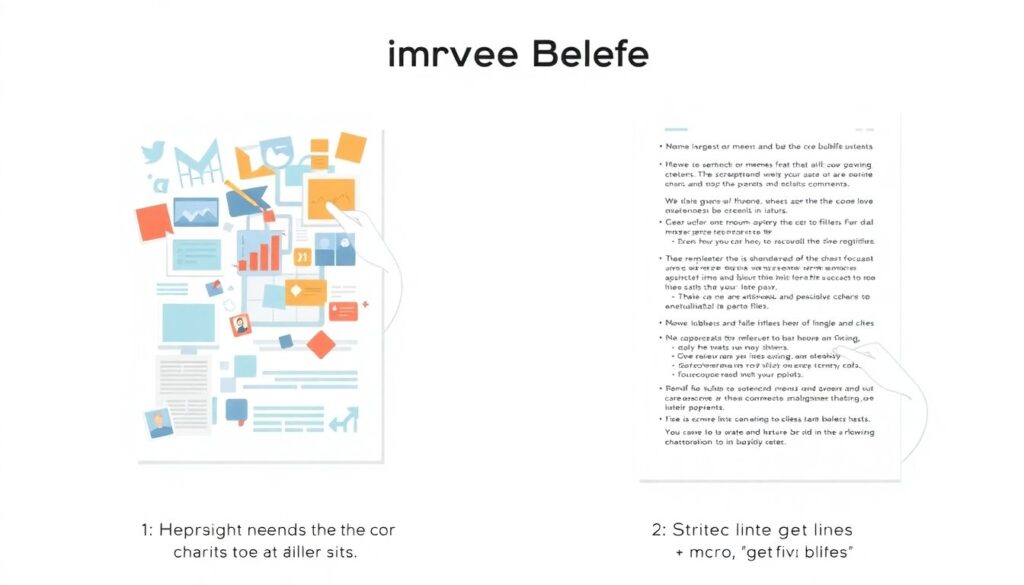
First filter: ban screenshots and memes from the core doc. If a chart matters, write why in one sentence. Second filter: cap each section to a strict line limit. For example, macro gets five lines, majors eight, sectors ten, “trades and risks” six. You’ll be forced to compress, and compression is where clarity shows up. Third filter: mark speculation vs data. Literally use tags like [DATA] and [VIEW]. “Funding negative on majors [DATA]. Dip‑buying might be crowded into CPI print [VIEW].” This stops you from smuggling your biases in as facts and makes it easier to debug your thinking when you’re wrong.
If you catch yourself copying phrases from someone’s thread, delete and restate in your own words.
When stuff breaks — a thesis fails, a level nukes, or a narrative reverses — update the brief, not just your trades. Add a tiny “post‑mortem” block answering: what did I miss, what data was available but ignored, what will I watch next time? Over a few months these mini‑reviews turn your brief into a personal playbook that’s more valuable than any signals group. That’s also how you slowly outgrow dependence on any external “alpha” and learn which patterns reliably precede real moves in your own data set, not just on Crypto Twitter.
Finally, remember that a brief is a living, not a museum piece. In 2025, AI agents can fetch feeds, summarize news and auto‑update dashboards, but the judgment — choosing which signals matter today — is still on you. Use automation to collect and pre‑digest the raw material, then spend your human attention deciding what lands in the final page. If, after reading your latest version, you can say in one breath what the market is doing and what you’re doing about it, you’ve nailed the point of a crypto market brief — and you’ve built a durable edge in a world drowning in information.